
ROSYTIME
Highlight: The secret recipe of young and beautiful
Dairy Free
Preservative Free
100% Vegan
GMP Certified
Food Safety Award
2000 Food Tests


PRODUCT INFO
5 packages/box
(200ml/package)
Liquid beverage
Ingredients
-
Rose
-
Cactus fruit
-
Acerola cherry
-
Cranberry
Exclusive to EEx-Life Members (upon request):
INGREDIENTS


Nutritional Strength and Benefits Summary
The Benefits of Plant Nutrients

Damask Rose
-
Damask rose is a nutritional powerhouse, most notably due to the exceptional vitamin C content found in its rose hips, which can be up to 50 times higher than that of a lemon and 20 times higher than a blueberry.
-
This potent vitamin C acts as a powerful antioxidant that boosts immunity, reduces inflammation, protects against oxidative stress, and supports skin health by promoting collagen production and anti-aging.
-
These benefits are amplified by a rich array of additional compounds, including polyphenols, carotenoids, tannins, and fatty acids.
-
Furthermore, its diverse phytochemicals—such as flavonoids, anthocyanins, terpenes, and phenolics—provide enhanced antioxidant, anti-inflammatory, antimicrobial, and calming benefits.

Cactus Fruit
-
Cactus fruit is a nutrient-dense food renowned for its unique combination of powerful antioxidants, including betalains, flavonoids, and carotenoids, which work to protect skin cells from oxidative stress, reduce inflammation, and support repair and rejuvenation.
-
It is also an excellent source of dietary fiber, which promotes digestive health, regulates blood sugar, and aids in maintaining a healthy weight.
-
Furthermore, it provides essential minerals like magnesium, potassium, and calcium that support heart health, muscle function, and bone strength.
-
Its hydration properties and nutrient profile also contribute to skin elasticity and overall complexion health.
-
Notably, natural compounds within the fruit also contribute to stabilizing blood sugar levels and improving insulin sensitivity, making it a beneficial addition for overall metabolic wellness.

Acerola Cherry
-
Acerola cherry is a nutritional powerhouse, famously known as one of the world's richest natural sources of vitamin C, which provides immense immune-boosting, antioxidant, and collagen-forming benefits for skin health.
-
It is also a significant source of vitamin A and a wide array of potent antioxidants like anthocyanins and flavonoids, which further protect against oxidative stress and reduce inflammation.
-
Furthermore, it provides essential nutrients such as magnesium and potassium that support heart function and overall vitality.
-
Its exceptional nutrient density makes it a superior fruit for enhancing immune defense, promoting radiant skin, and combating cellular damage.
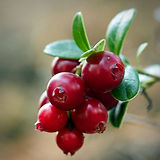
Cranberry
-
Cranberry is a unique nutritional powerhouse, renowned for its high concentration of specific antioxidants called proanthocyanidins (PACs), which are exceptionally effective at supporting urinary tract health by preventing bacteria from adhering to the bladder walls.
-
It is also an excellent source of vitamin C and dietary fiber, which promote immune function, digestion, and heart health.
-
Furthermore, it provides essential micronutrients like manganese and vitamin E that contribute to antioxidant defense and metabolic function.
-
Its unique phytonutrient profile offers potent anti-inflammatory and antimicrobial benefits, making it a valuable addition for overall wellness and prevention.
RosyTime FAQ
Q1) What are the differences between cactus and aloe vera?
Although aloe vera resembles cactus, the former is actually a member of the lily family, while cactus is closely related to the rose plant. Aloe vera grows quickly, taking just eight months to mature, while cactus takes many years. Aloe vera is said to be native to North Africa, while cactus is native to the American continents. Aloe vera is darker and has long, flat leaves, while cactus is usually lighter colored with fleshy and swollen stems.
Q2) Can roses be eaten?
Some species of roses can be eaten. While roses make good centerpieces, they also taste great. When eaten, rose petals have a very aromatic, floral, and slightly sweet flavor. Because rose petals are about 95% water, the calorie count is low.
Q3) Can I replenish collagen by applying or eating collagen?
Many people attempt to replenish their collagen levels by applying or eating collagen. However, in skincare products, the collagen molecules are too big for the skin to absorb. Collagen that is eaten is broken down by the body and no longer exists as collagen, so it cannot replace the collagen that the human body produces. The best way to replenish collagen is to improve the body's ability to produce collagen.